


Asthma and SSDI Eligibility
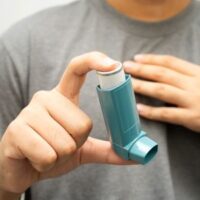
Asthma is a common condition, and in many people, it can be severe. According to the Asthma and Allergy Foundation of America, approximately 28 million Americans have asthma, which is about 8 percent of the total population. Rates are highest among adults between the ages of 35-64, and among Black and Indigenous Americans, though asthma can affect anyone. This disease can vary in its severity, and in some people, it can cause substantial disability.
If you have asthma, can you be eligible to receive Social Security Disability Insurance (SSDI) benefits? It will depend entirely on the condition as you experience it and how it impacts your ability to work. Our SSD eligibility attorneys can explain in more detail.
What is Asthma and How Does It Affect Adults?
A significant portion of the American population has been diagnosed with asthma, as we noted above. But not all individuals with asthma experience it in the same way or to the same degree of severity.
According to the Mayo Clinic, asthma is “a condition in which your airways narrow and swell and may produce extra mucus.” As a result of the condition, asthma “can make breathing difficult and trigger coughing, a whistling sound (wheezing) when you breathe out, and shortness of breath.” Asthma is a condition that is not curable but is one that can be controlled with medications. As the Mayo Clinic clarifies, in some patients, asthma is simply “a minor nuisance,” whereas for other individuals, “it can be a major problem that interferes with daily activities and may lead to a life-threatening asthma attack.”
It is also important to know that a person’s experience with asthma can change over time. While it may be mild at first, it can become a significantly disabling condition.
Qualifying for SSDI with Asthma
Asthma is listed as a potentially SSDI-eligible condition in the Blue Book under section 3.00 for respiratory disorders. According to the Blue Book, you can be eligible for SSDI due to your asthma if you have a particular result in a pulmonary function test known as a forced expiratory volume in 1 second (FEV1) test, or a specific SpO2 level, or certain exacerbations or complications associated with your asthma.
Even if you do not meet the definitions set forth in the Blue Book, if you can provide medical evidence that shows your condition is expected to last for at least 12 months and that it prevents you from substantial gainful activity (in addition to the non-medical requirement), you may still be eligible for SSDI payments.
Contact Our SSDI Eligibility Attorney for Assistance with Your SSD Application and Your Asthma Diagnosis
If you have been diagnosed with asthma and the condition is severe enough that it prevents you from engaging in substantial gainful activity, for the reasons discussed above, you may be eligible to obtain SSDI benefits. You will need to work with an attorney to determine whether you meet the medical requirements based on the medical evidence you have, and whether you meet the non-medical requirement of having worked long enough and recently enough to qualify based on the number of work credits you have earned. Keep in mind that if you are a younger person, there are exceptions for the work credit requirements if you have not been of working age long enough to qualify with the standard work credit requirement. One of the experienced national SSD eligibility lawyers at the Law Offices of Stephen Barszcz can begin working with you on your SSDI eligibility and your application. Contact us today for assistance.
Source:
ssa.gov/disability/professionals/bluebook/3.00-Respiratory-Adult.htm