
Skin Disorders and SSDI Eligibility
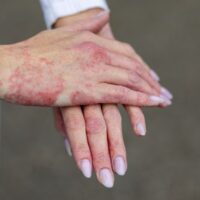
The Social Security Administration (SSA) handles applications for Social Security Disability Insurance (SSDI), which can be paid out to individuals who have a very wide range of impairments that qualify them medically for benefits. To be eligible for SSDI payments, you must meet two separate requirements: 1) medical requirement, and 2) non-medical requirement, which is a work requirement. The medical requirement says that you must have an impairment — and medical evidence to show it — that is expected to last for at least 12 months or to result in your death, and the impairment must be severe enough that it prevents you from engaging in substantial gainful activity. The non-medical requirement involves your work history: showing that you worked for a long enough period and recently enough to have sufficient credits for SSDI payments.
There is no requirement that your medical impairment be a specific type of condition or diagnosis, but only that it meets the above requirement. This includes certain types of skin disorders, which our SSDI eligibility attorneys can explain in more detail below.
Skin Disorders in the SSA Blue Book
The SSA has a “Blue Book” that provides information about many of the types of impairments or conditions that can qualify a person for SSDI benefits on a medical basis. Section 8.00 of the Blue Book includes various types of skin disorders that can make a person eligible for SSDI payments. What are these skin disorders, and what should you do if you have a skin disorder that is not listed in the Blue Book?
The Blue Book specifically identifies the following types of skin disorders as those that are assessed for SSDI eligibility:
- Photosensitivity disorders;
- Burns; and
- Chronic conditions of the skin or mucus membranes, which may include but are not limited to ichthyosis, bullous disease, dermatitis, psoriasis, and hidradenitis.
Assessing Skin Disorders Included and Excluded from the Blue Book
Whether you have a skin disorder that is expressly identified in the Blue Book or one that is not specifically named, the SSA will be looking at the medical evidence you submit to determine whether the skin disorder meets the definition of a compensable disability through SSDI as we discussed above. Some of the key information used in the SSA’s medical assessment includes, as cited in the Blue Book:
- Onset, duration, and frequency of exacerbations of the skin disorder;
- Prognosis of the skin disorder;
- Location, size, and appearance of lesions and contractures;
- Any available history of familial incidence of the skin disorder;
- Your exposure to toxins, allergens or irritants, seasonal variations, and stress factors;
- Your ability to function outside the highly protective information;
- Laboratory findings (such as biopsies); and
- Your statements concerning how the skin disorders result in restrictions of your daily activities.
Contact a National SSDI Eligibility Attorney for Assistance Seeking Disability Benefits for Your Skin Disorder
If you have been diagnosed with a serious skin disorder or impairment that meets the SSA’s definition of a disability, you may be eligible to receive SSDI payments. You should begin working with one of the experienced national SSD eligibility lawyers at the Law Offices of Stephen Barszcz as soon as possible to determine your eligibility based on your medical history and your work history, and to begin preparing your application. It is essential to get started on your application with your attorney’s help as quickly as possible so that you can begin receiving benefits as soon as your application is processed and approved, and the required five-month waiting period has elapsed. Contact us today to begin working on your SSDI benefits application.
Source:
ssa.gov/disability/professionals/bluebook/8.00-Skin-Adult.htm
